


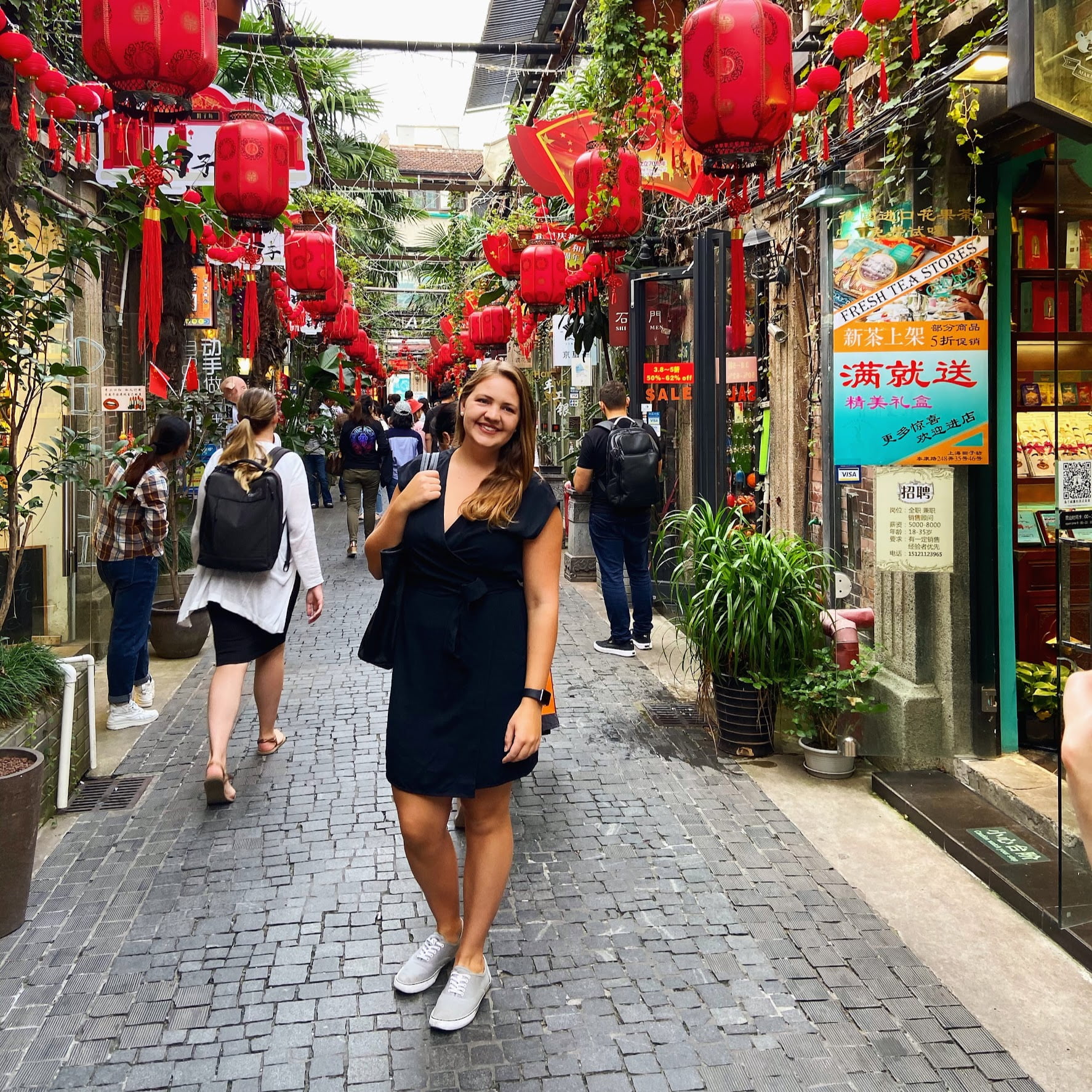
Shanghai – Explore China’s Biggest City
Shanghai is a bustling and modern city with incredible culture, history, people, and food! From city lights and hoppin’ bars, to local markets and gardens, there is so much to see and do in Shanghai!
Need to Know:
Currency: Renminbi (RMB) also called yuan (Check conversion rate here)
Language: Mandarin Chinese
Airports:
PVD – Shanghai Pudong
SHA – Shanghai Hongqiao
WUX – Sunan Shuofang
Electrical Outlets: 220V supply voltage and 50Hz, with A, C, and I plugs
Planning Your Trip
Accommodation – There are lots of great hotels in Shanghai, it depends on where in the city you want to stay. I’ve stayed Westin Bund Center which was in an amazing location, walking distance to the Bund and so many other great sights.
Another cool area is Jing’an – where I love staying at the St. Regis Jingan.
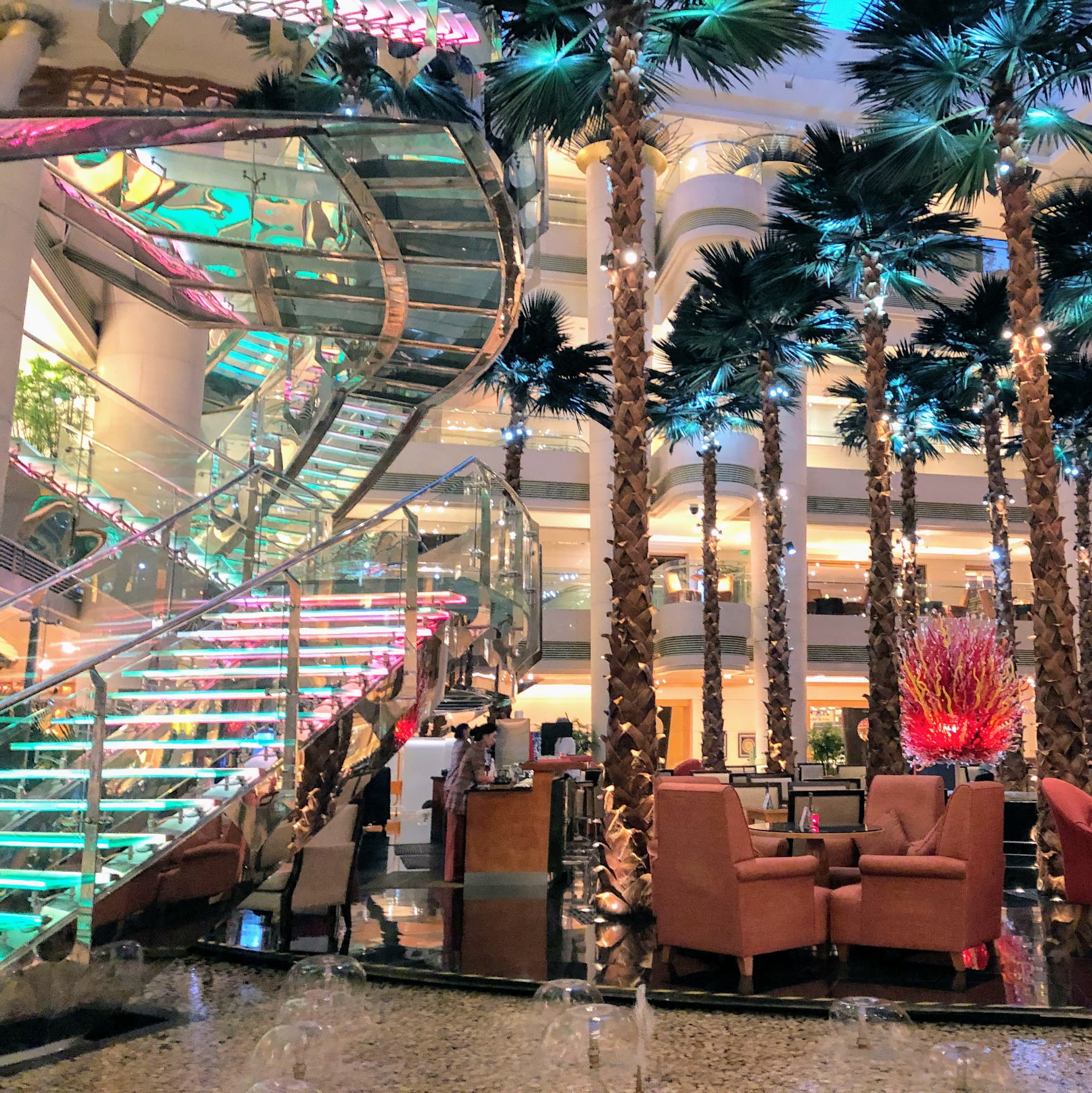
For work – I like to stay on the east side of the river in Pudong. The Grand Hyatt Shanghai is a great option.
Getting Around – I mostly used taxis and the subway system.
Taxis: Download the didi app and use didi to get around. There is also didi within the Alipay app. This is essentially the local Uber/Lyft and works great!
Metro: The Shanghai subway is surprisingly easy to navigate, even if you don’t speak Chinese. Download the Alipay app – click Transport – then set up the Shanghai Metro section. This will give a QR to use to get in and out of the metro stations. I mostly used Apple Maps to figure out my route.
It is also helpful if you have the address of where you are going written out in Chinese characters. The maps and apps will work better this way!
Entry Requirements – Most visitors will need a visa to visit China. U.S. citizens can apply for a visa here.
Top Things to Do in Shanghai:
XinTianDi: Formerly the neighborhood of old Shikumen, now a popular spot among expats and tourists to enjoy upscale dining and shopping. You will definitely find some American food here, so it is not the best location if you are looking to enjoy Chinese food or culture.
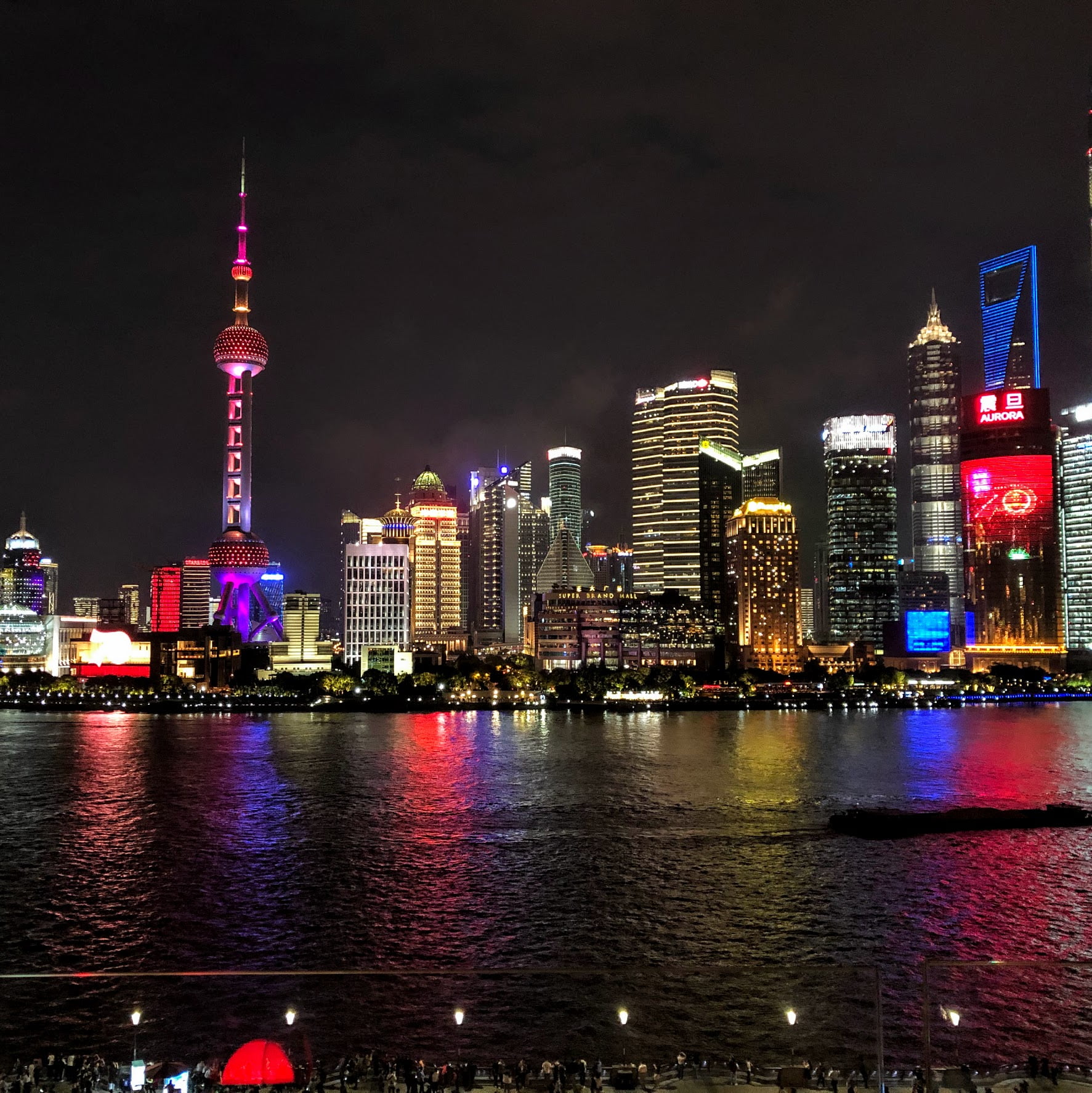
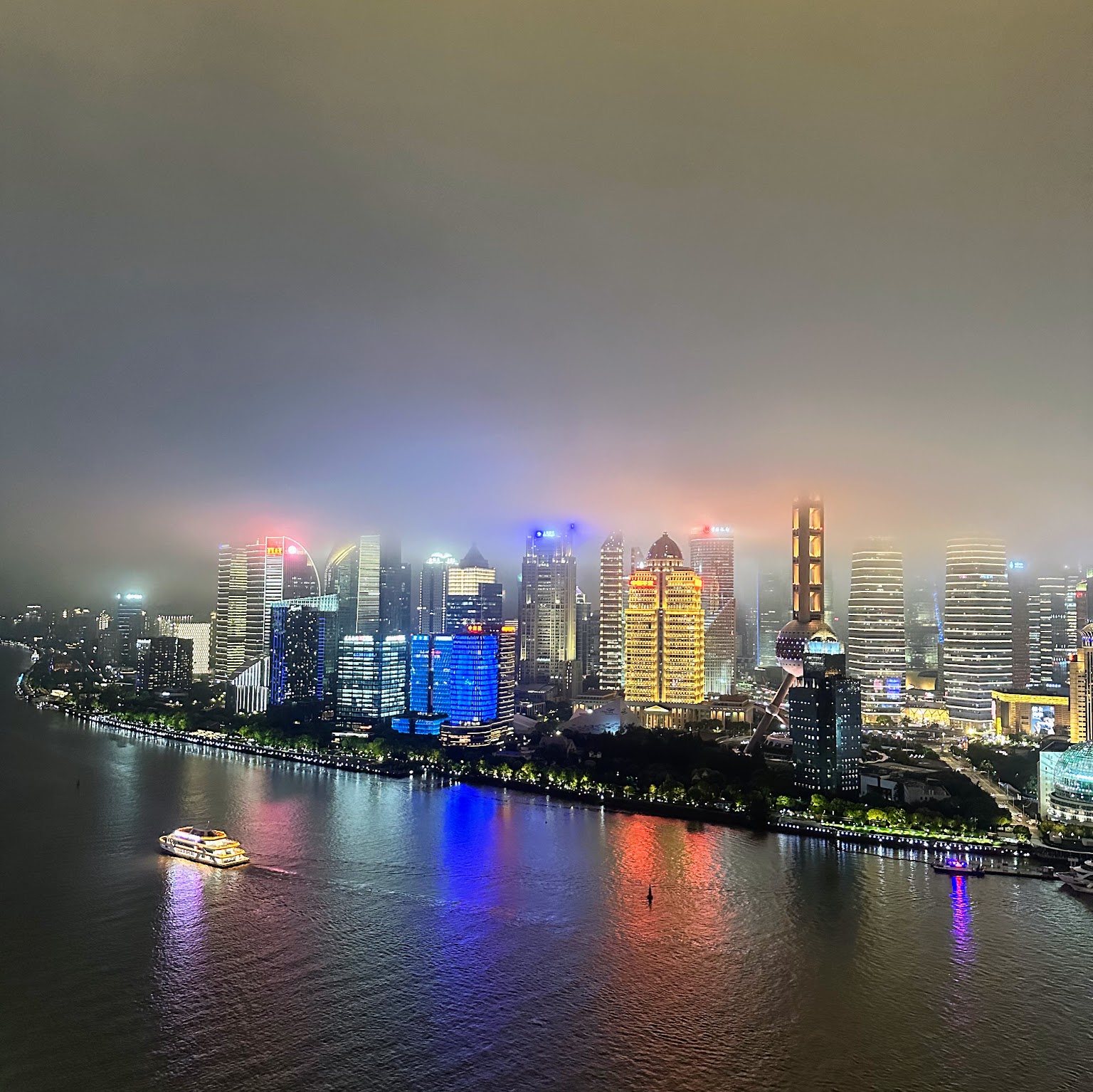
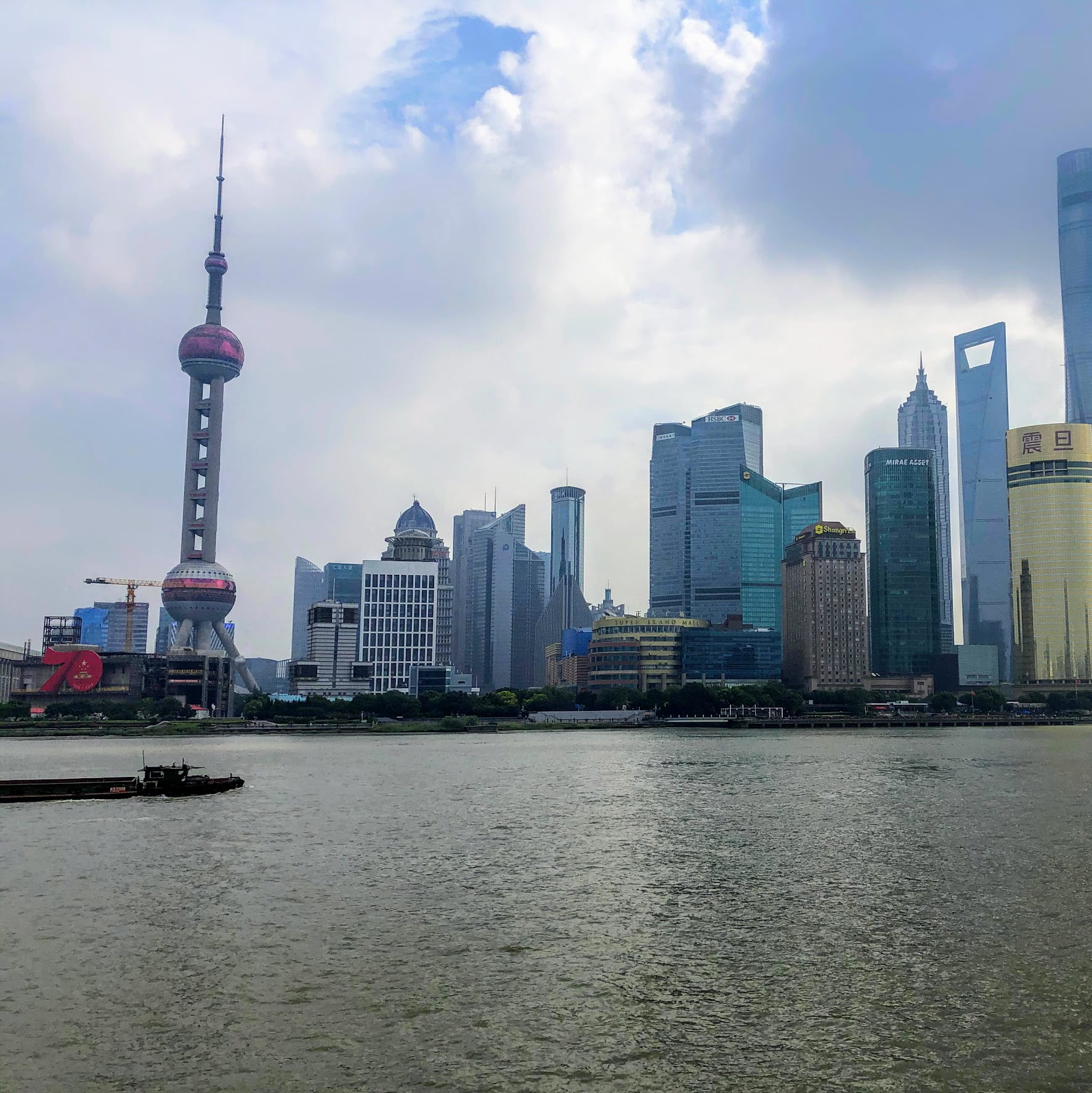
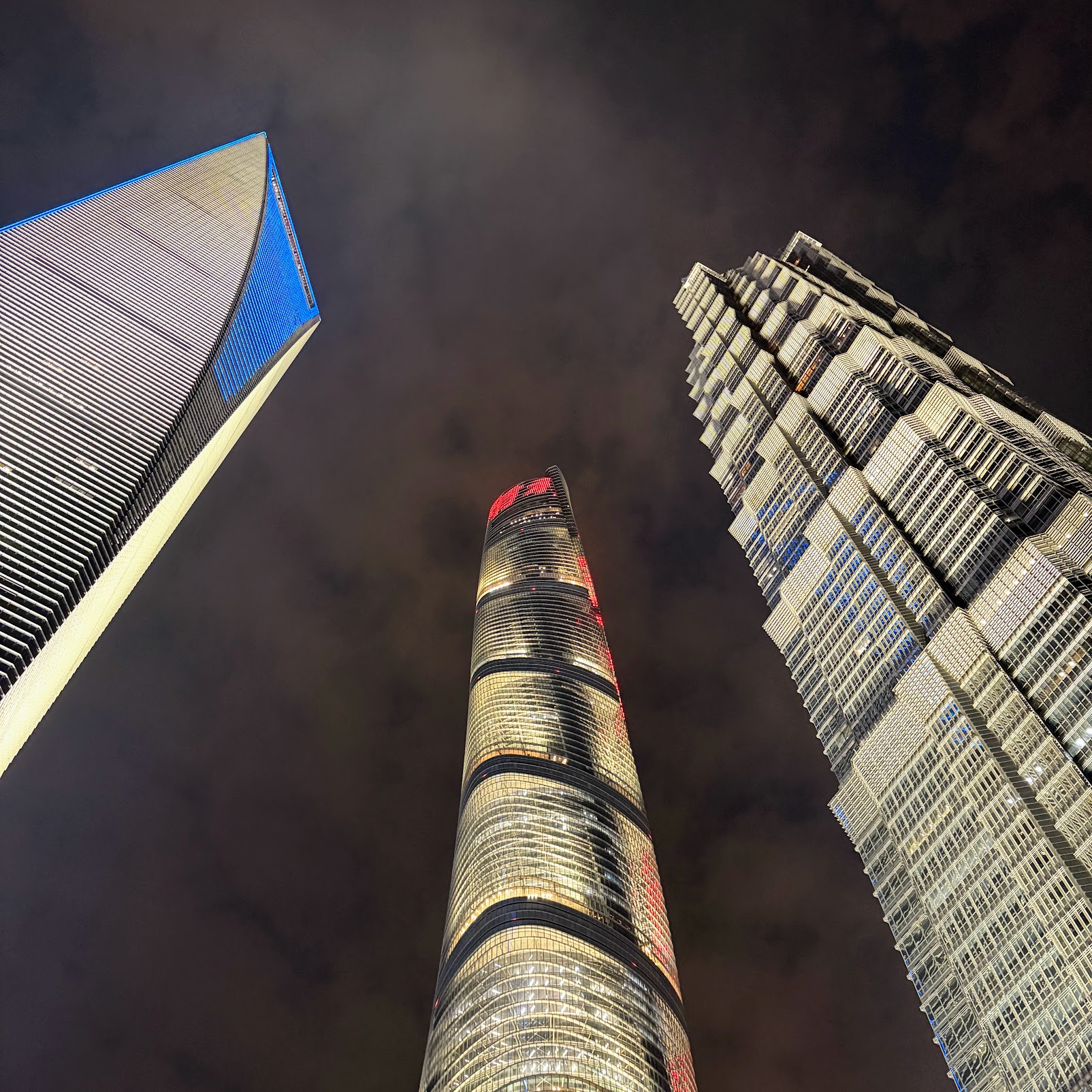
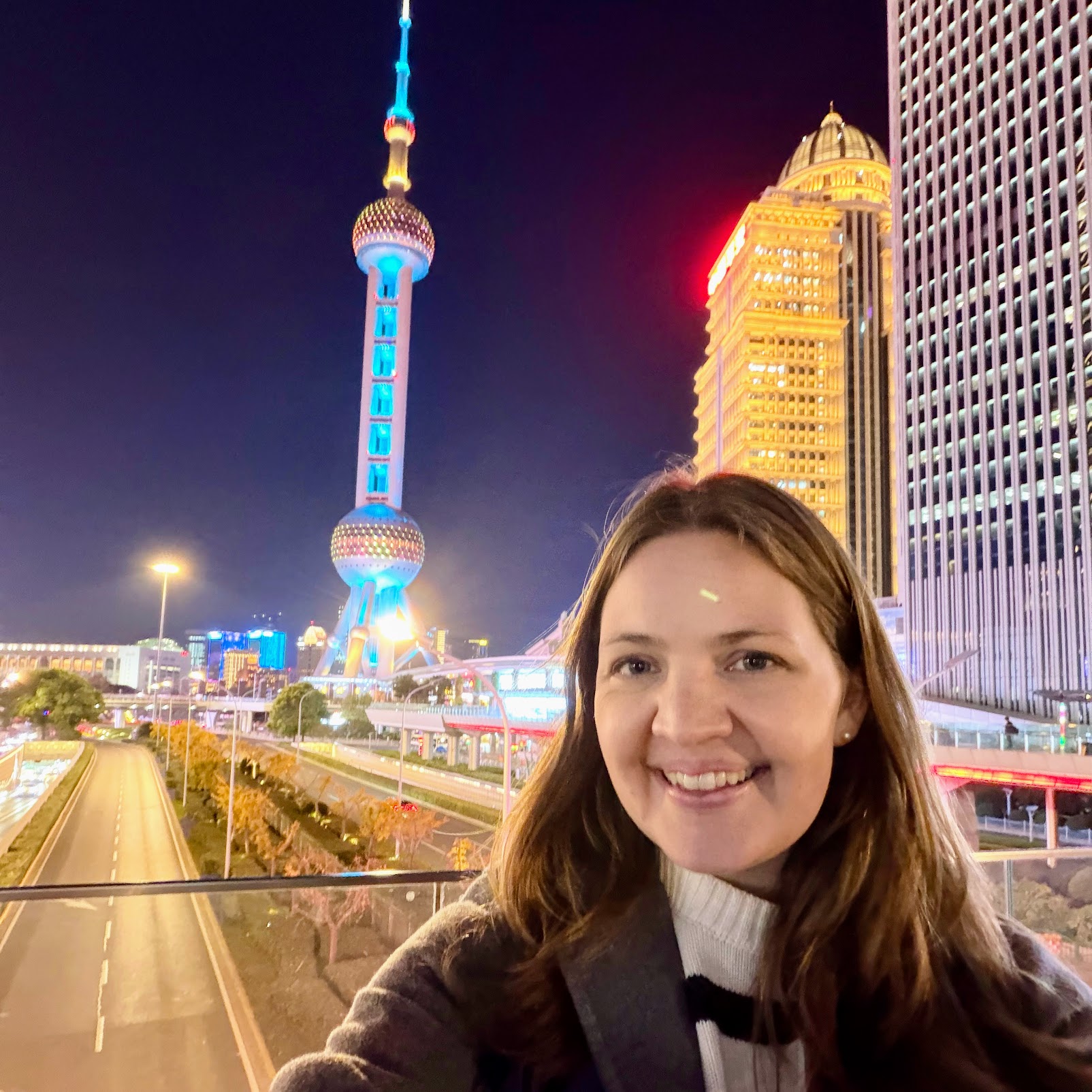
The Bund: The is where you will find the classic skyline view of Shanghai. The Bund is a waterfront walking area where you will find anyone from locals on a morning stroll, to avid runners, to bustling tour groups. Definitely worth a stroll along the river for this iconic view. Be sure to check out the city lights early in the evening because the lights turn off at 10 PM. You can also take a one hour night boat tour down the river for some awesome views.
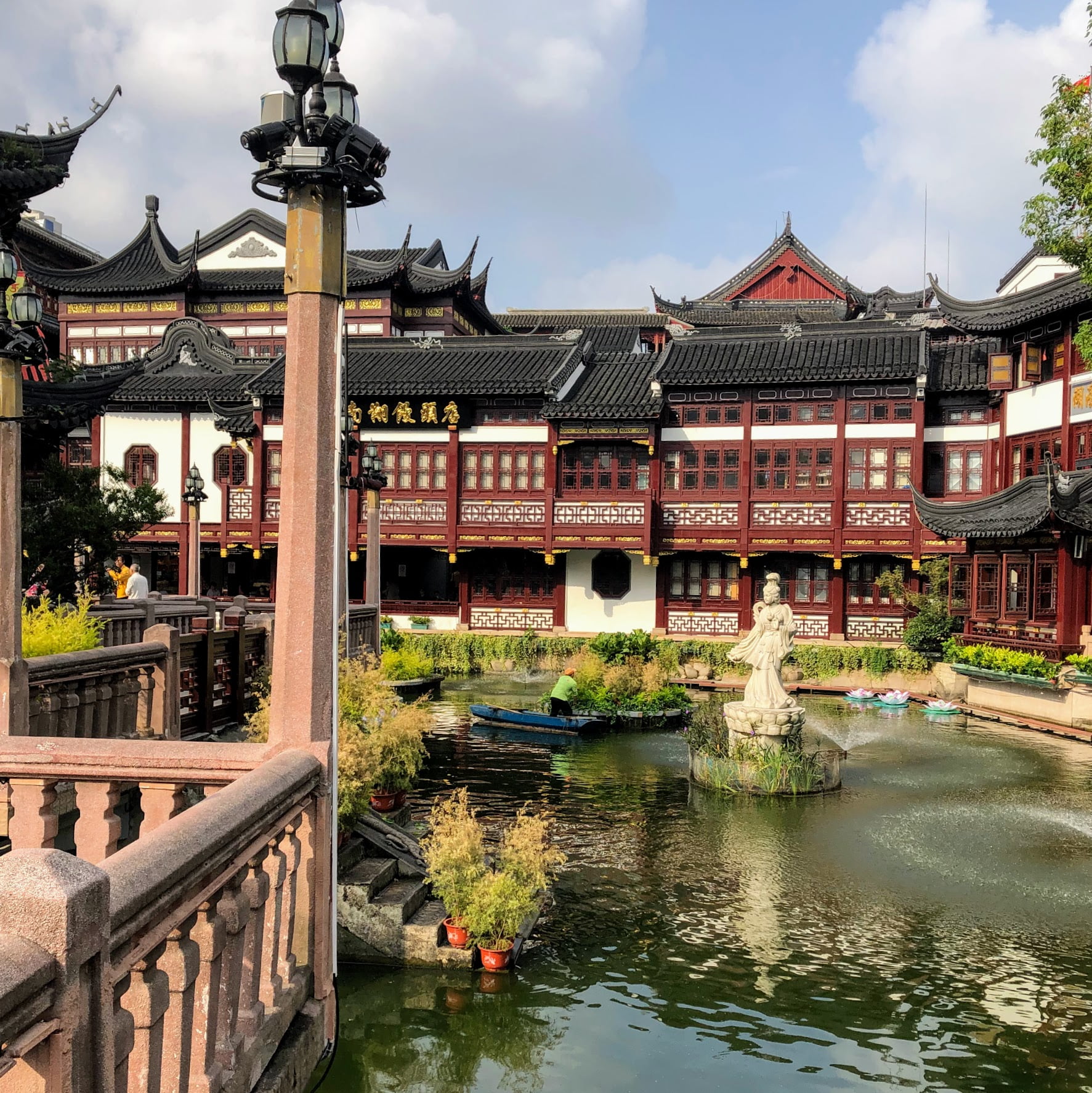
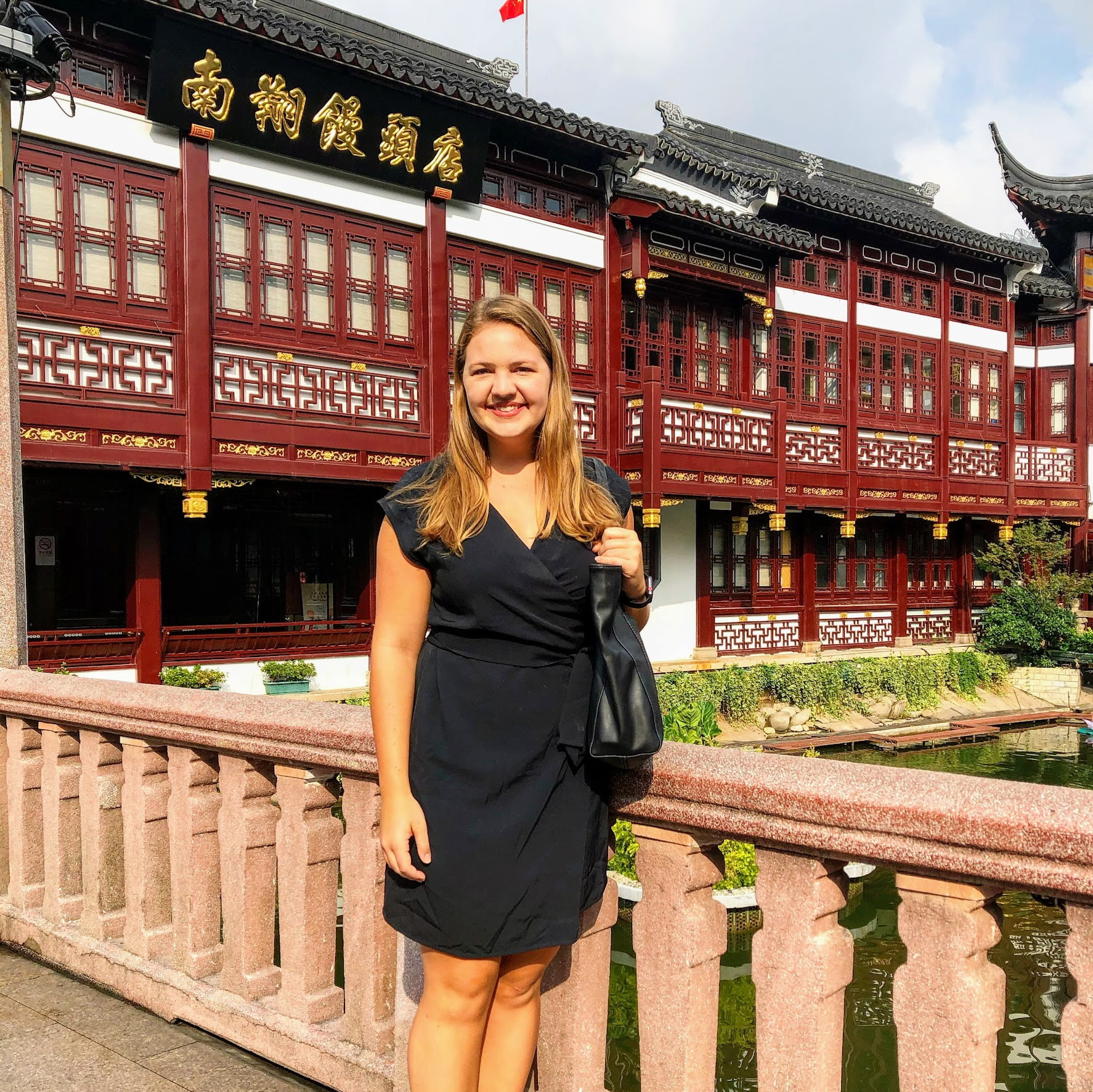
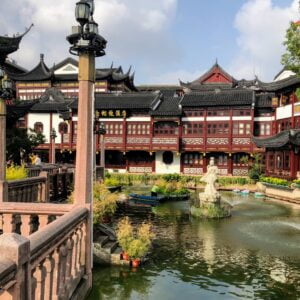
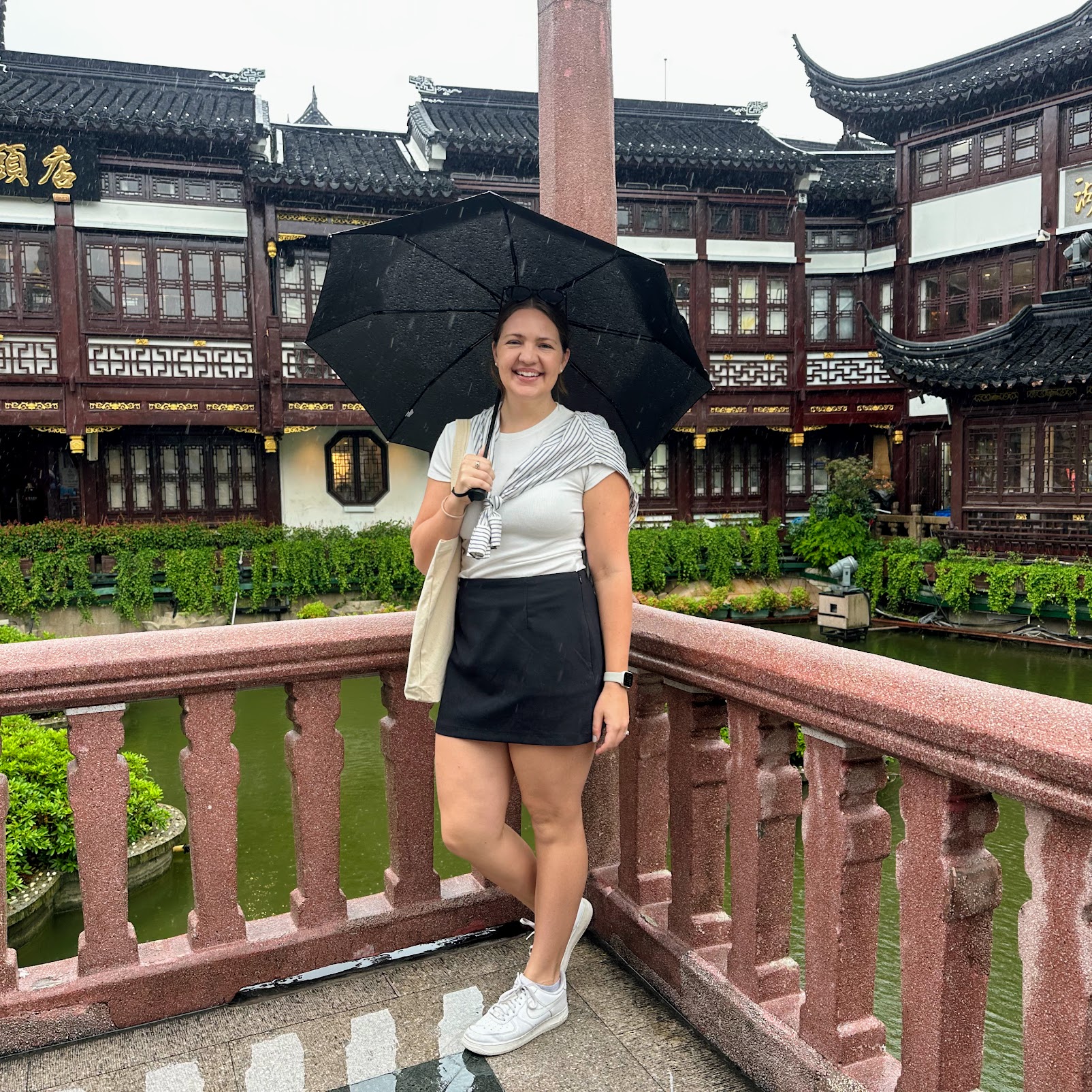
Yu Garden: This Chinese garden is located in the northeast of the Old City of Shanghai. It is the famous home of the Yuxinting Teahouse, which is now a small tea house with a small souvenir section, mostly used by older men of the community. The main attraction is the winding walkways over the water and the connected bazaar where you can find just about any souvenir you would need from tacky chopsticks to local art.
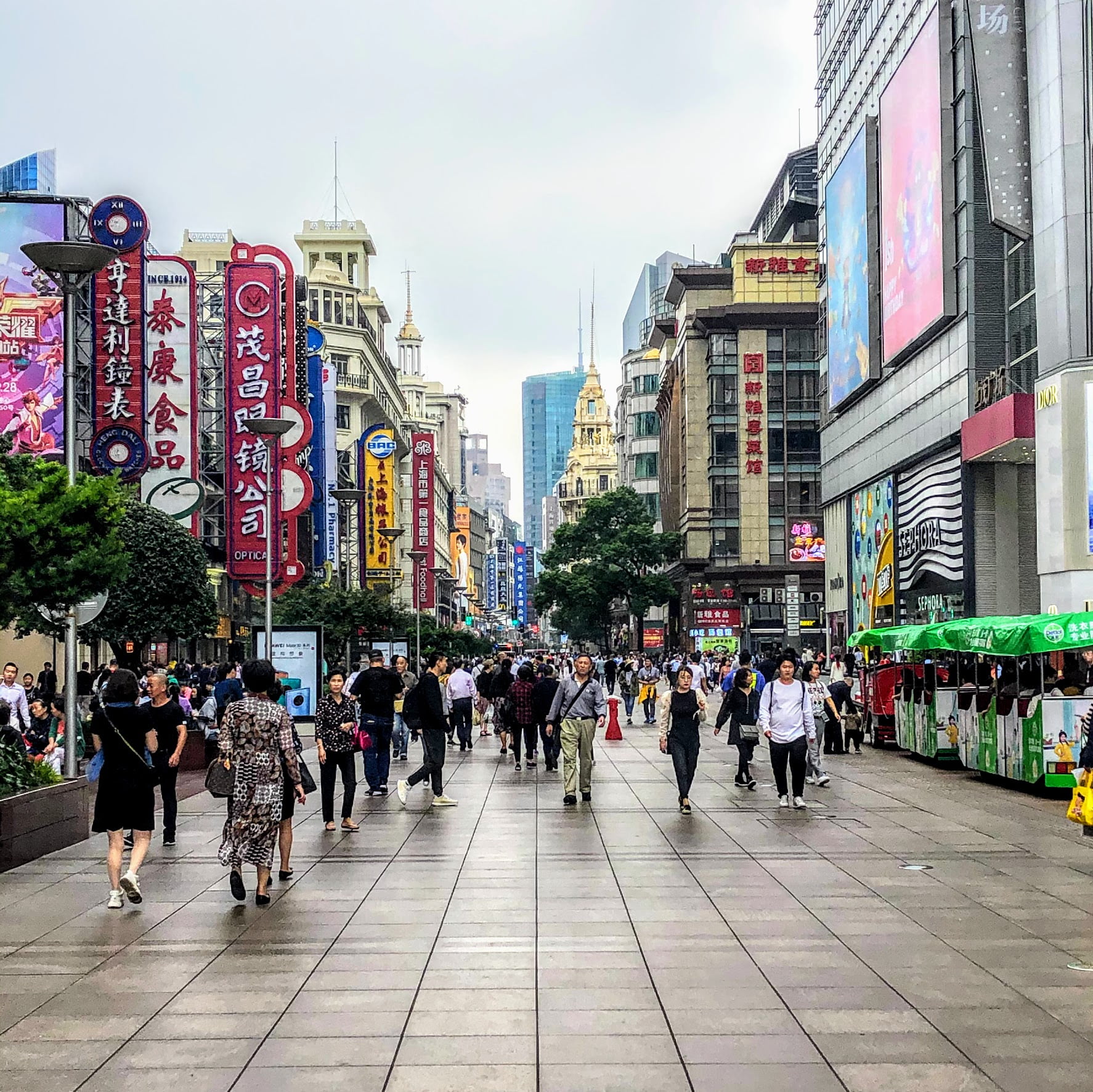
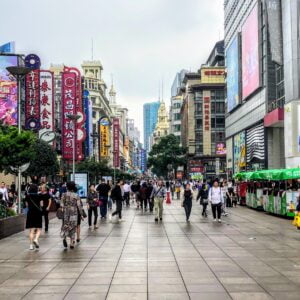
Nanjing Road: The pedestrian strip down the city center is one of the world’s busiest shopping streets. The eastern part of Nanjing Road is the main shopping area. It is worth walking down this bustling street to check out the shops and people watch.
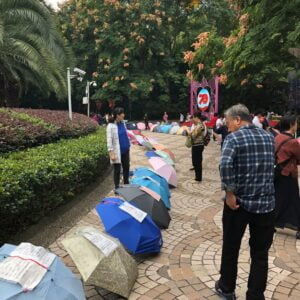
People’s Park: This Shanghai park is famously known for its marriage market (pictured above) where parents bring descriptions of their children trying to find them a suitable partner for marriage. Usually the parents are here without the child’s permission due to differences in expectations regarding marriage. Take a stroll through the park to see the winding paths of umbrellas, observe the games of Mahjong being had, and take in the greenery.
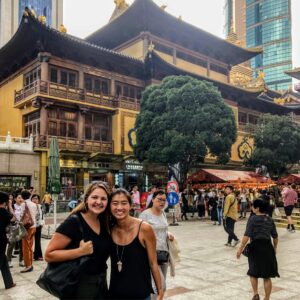
Jing’an Temple: This Buddhist temple on West Nanjing Road is easy to spot with its shiny gold roofs and large infrastructure standing above the rest. There are markets surrounding the temple, as well as a large mall. This is a nice area to walk around, grab a bubble tea, and peruse the markets.
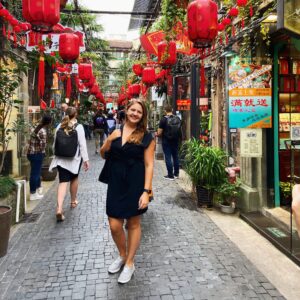
Tianzifang: Transformed from residential factories into an artsy shopping and bars district, Tianzifang is a great destination while in Shanghai. I was on the hunt for a painted teacup and that mission was fulfilled in the shops on the winding streets of Tianzifang. Slightly hidden away in the alleys, this a newer destination in Shanghai.
Fake Markets:The largest fake market in Shanghai is beneath the Science and Technology Museum, connected to the metro station. Be warned, the products are all fake, no matter what they claim. That being said, you can negotiate your way to a solid price for some decent items. The sellers can be very persistent, so be firm on your price or if you are not interested.
Top Experiences in Shanghai
1
Get a Massage
This is the first thing I book anytime I'm in Shanghai! There are tons of spots you can try.
2
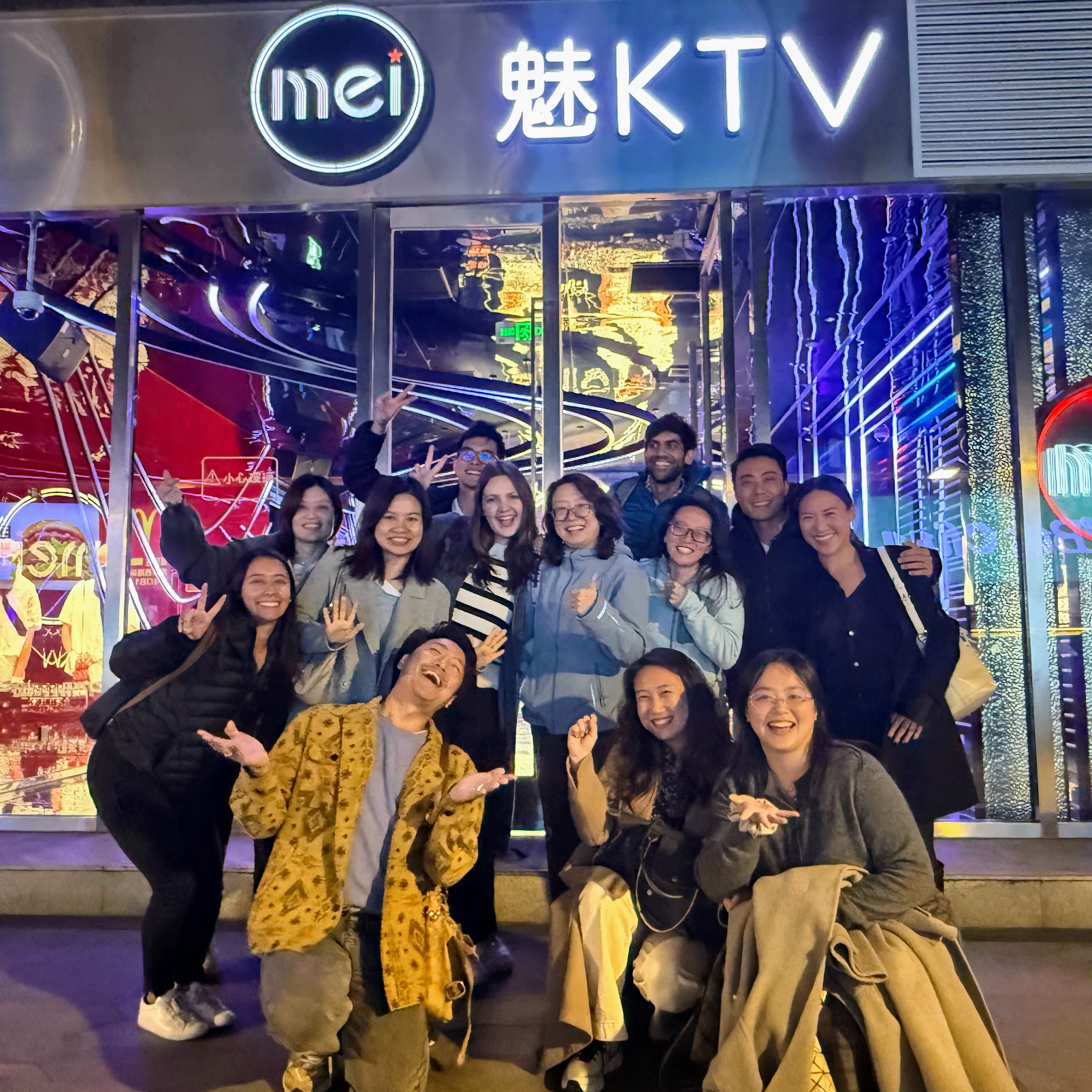
Karaoke
A super fun and favorite pass time in Shanghai - be sure to do some karaoke! This can be a little hard if you don't have a chinese phone number since everything is on an app - but you can ask ahead of time!
3
Get a drink with a river view
Vue Bar is a great spot to grab a drink with amazing views! You will likely need a reservation and note that there is a cover charge. Flair at the Ritz Carlton is another option
4
Try Peking Duck
While this is a Beijing speciality - you should try it anytime you're in China! It is characterized by its incredibly crispy skin and tender meat, historically served to emperors. You eat the crispy skin with sugar and it just melts in your mouth!
5
Get some hot pot
There are so many types of hot pot to try - but it's definitely an experience you must have when in Shanghai!


0
April 13, 2022


